Emergency Food Supplies for Older Adults and Stroke Patients: What Should You Stock Up on to Stay Safe During a Crisis?
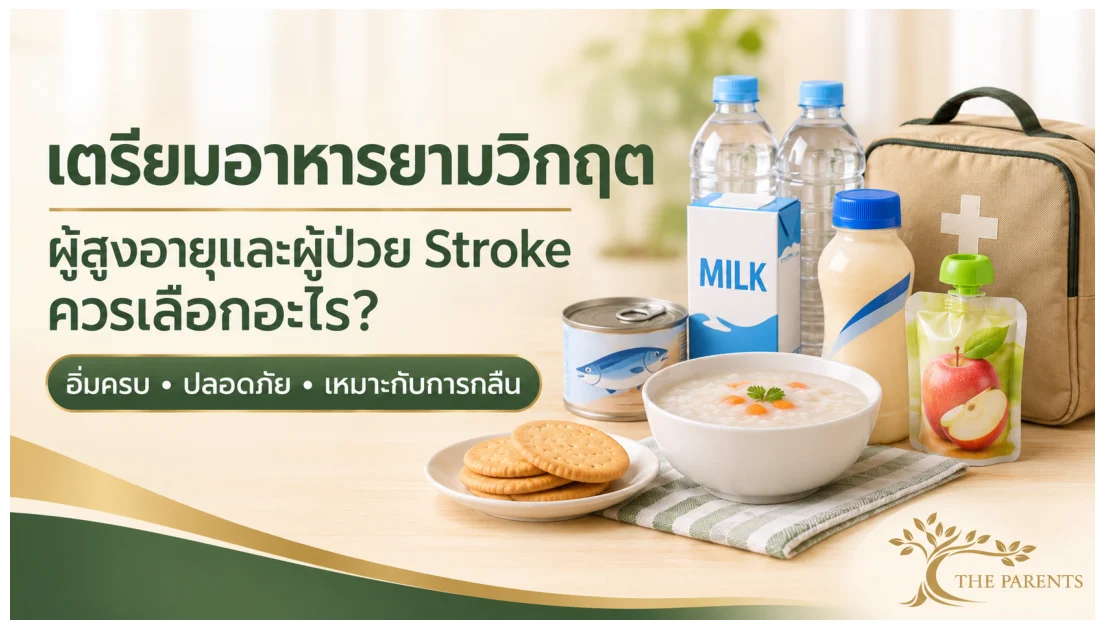
When unexpected emergencies occur, such as floods, storms, power outages, natural disasters, or situations that prevent people from accessing food supplies, having sufficient food and drinking water becomes essential. This is particularly important for households with older adults or stroke patients, who may have specific dietary requirements, mobility limitations, and healthcare needs.
However, choosing emergency food supplies for these individuals involves more than simply selecting products with a long shelf life. It is equally important to consider nutritional value, underlying medical conditions, and each person’s ability to chew and swallow safely.
The Parents has gathered practical recommendations on emergency food supplies for older adults and stroke patients to help families and caregivers prepare for unexpected situations and ensure appropriate care.
1. What Types of Food Should You Stock Up on?
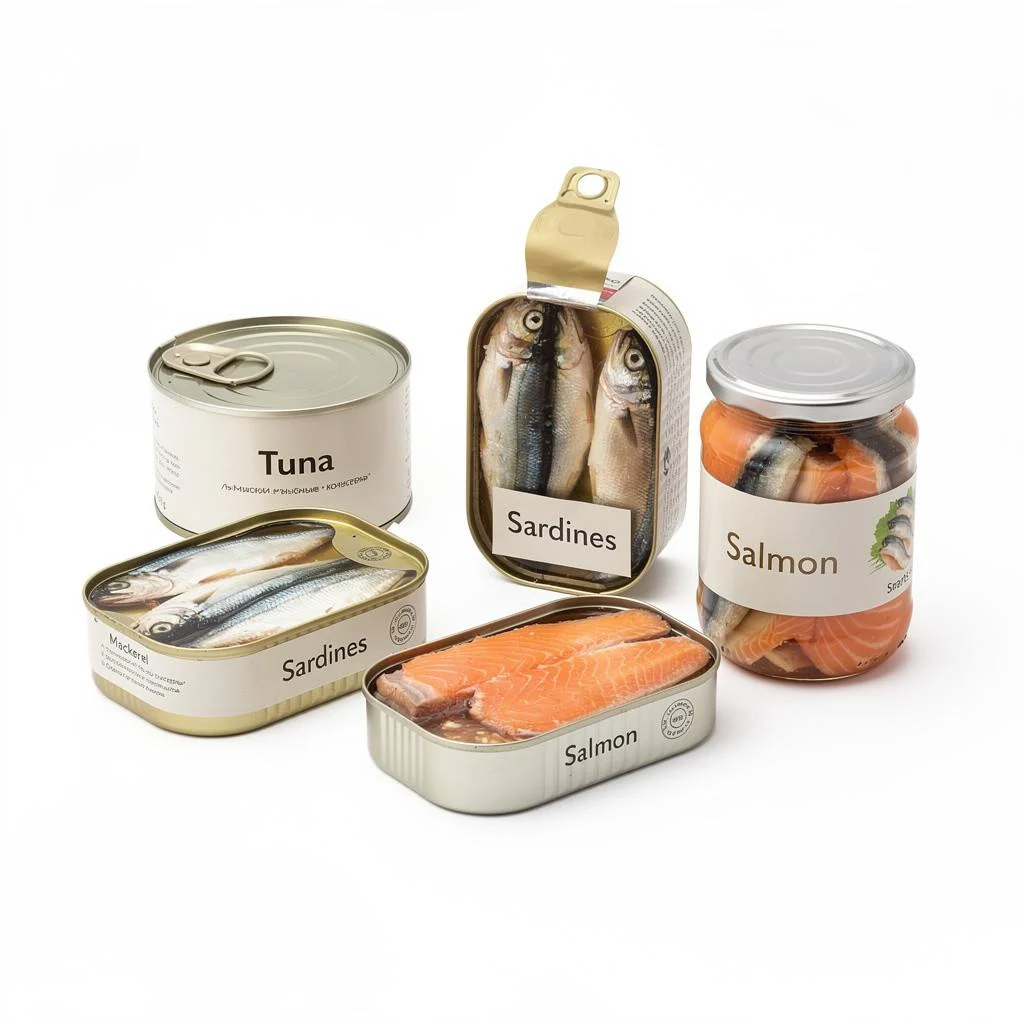
1. Canned and Ready-to-Eat Foods
Examples include canned tuna, canned fish in tomato sauce, canned meat, and canned beans. Choose low-sodium or no-added-salt options to help reduce excessive sodium intake.
Always check that cans are not deeply dented, swollen, leaking, or damaged, and make sure the expiration dates are clearly visible.
2. UHT Milk and Nutritional Drinks
Examples include UHT milk, soy milk, and protein or nutritional supplement drinks. These products provide convenient sources of protein and energy when preparing fresh meals is not possible.
Choose products according to individual health conditions, such as diabetes or kidney disease. It is also important to ensure that the patient can swallow the consistency of the selected drink safely.

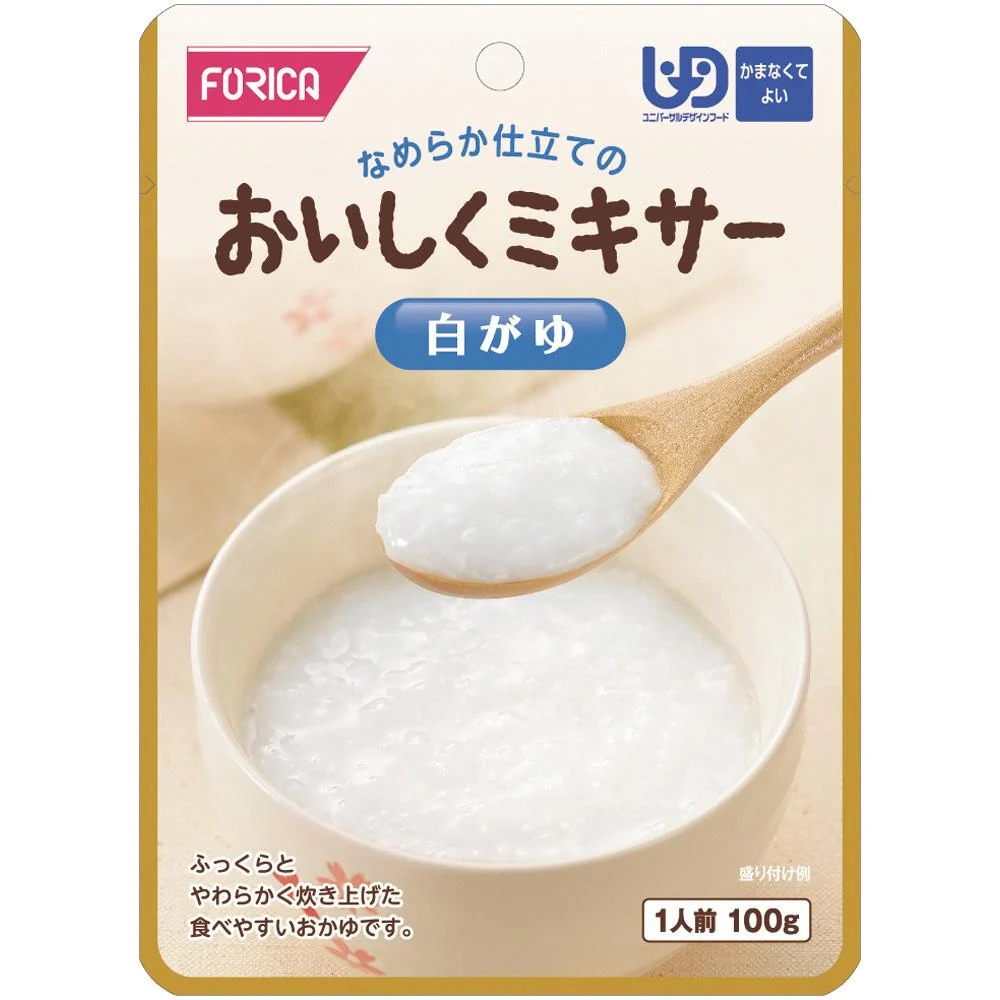
3. Instant Porridge and Soft Foods
Examples include instant porridge, ready-to-prepare rice soup, and finely blended meals. These are convenient options for older adults who have difficulty chewing or have poor dental health.
Choose low-sodium products and prepare sufficient clean water for cooking. For stroke patients with swallowing difficulties, food texture must be adjusted according to recommendations from healthcare professionals.
4. Soft Fruits and Fruit Purees
Examples include ripe bananas, fruit purees, and canned fruits with soft textures. These foods provide vitamins, minerals, and dietary fiber.
Choose products with no added sugar or low sugar content, and ensure that their texture is appropriate for the individual’s swallowing ability.

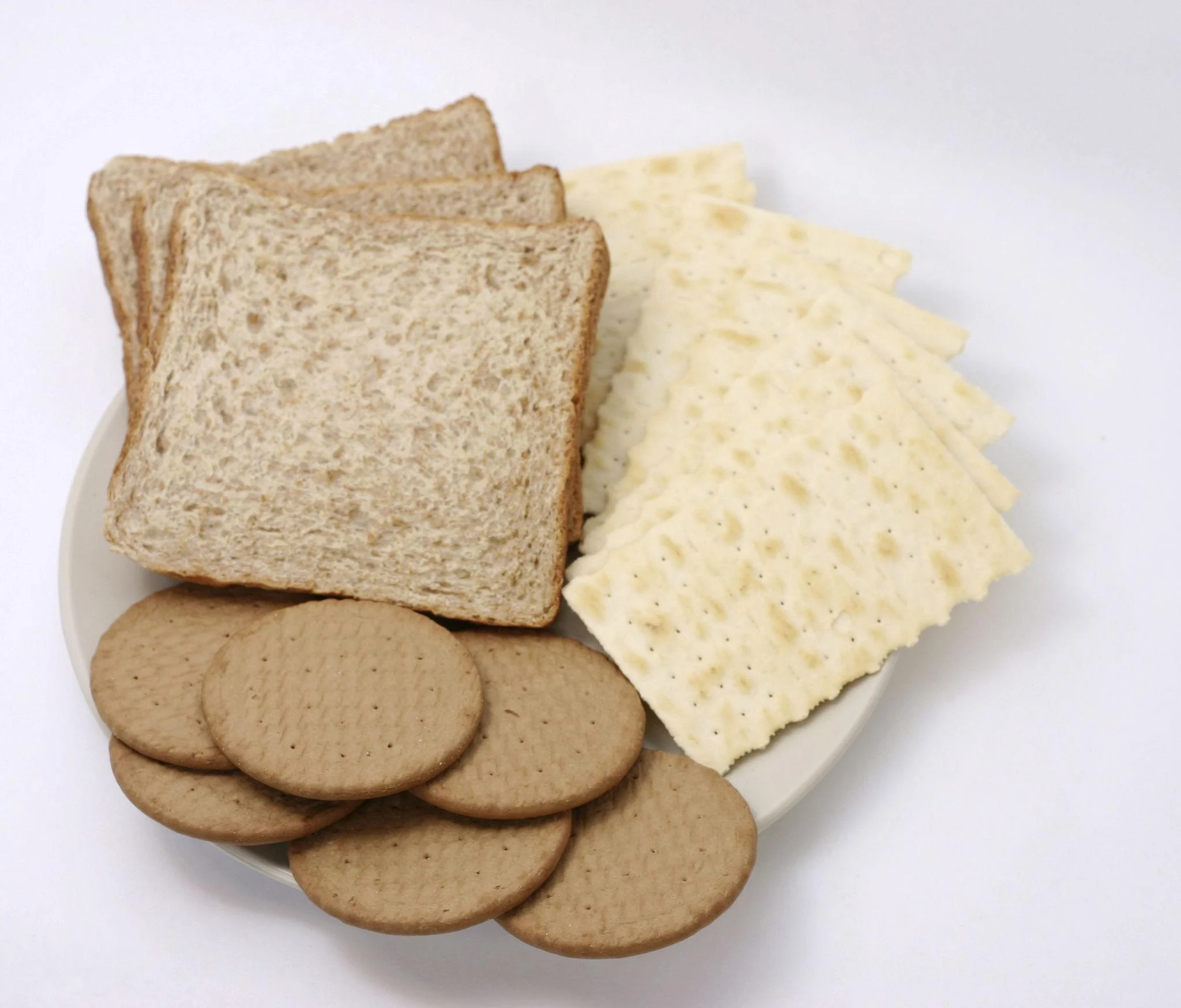
5. Snacks and Long-Lasting Grains
Examples include instant oatmeal, certain types of cereal, and packaged crackers. These foods are convenient emergency options that provide energy.
However, caregivers should be cautious when offering dry, hard, crumbly, or brittle foods to individuals with swallowing difficulties, as they may increase the risk of choking or aspiration.
6. Safe Drinking Water
Clean drinking water is essential and should never be overlooked. Keep an adequate supply of sealed bottled water available. A general emergency preparedness guideline is to store at least 2 liters of drinking water per person per day.
However, individuals with heart disease or kidney disease who need to restrict their fluid intake should follow their healthcare provider’s recommendations.

2. Special Dietary Considerations for Stroke Patients
One of the complications that may occur after a stroke is dysphagia, or difficulty swallowing. This condition results from impaired muscle coordination involved in chewing and swallowing.
As a result, patients may be at risk of food or liquid entering the airway, potentially leading to aspiration pneumonia.
Therefore, emergency food preparation for stroke patients must be individualized based on their swallowing abilities. The following guidelines can help caregivers select appropriate foods:
- Patients with normal chewing and swallowing abilities: They may consume regular meals, focusing on properly cooked, hygienic, and nutritionally balanced foods.
- Patients with chewing difficulties: Choose soft foods such as porridge or meals prepared with tender ingredients, cut into appropriately sized pieces.
- Patients with dysphagia: Food texture and liquid thickness must be adjusted according to an assessment by a speech-language pathologist or the treating healthcare team. This may include pureed foods or other texture-modified diets following the International Dysphagia Diet Standardisation Initiative (IDDSI).
Important: Do not assume that pureed foods or liquid foods are automatically safe for every stroke patient. Some individuals may also have difficulty swallowing thin liquids. Even plain water can cause aspiration in patients who require thickened fluids. Always follow the specific food texture and liquid consistency recommendations provided by healthcare professionals.
3. Foods That Should Be Avoided or Consumed With Caution
Older adults and stroke patients may need to avoid or limit certain foods, particularly those who have difficulty chewing or swallowing.
- Hard and crunchy foods: Such as nuts, seeds, crispy rice crackers, and hard biscuits.
- Sticky or chewy foods: Such as dried fruits and foods that easily stick to the roof of the mouth.
- Mixed-texture foods: Such as soups containing both liquid and solid ingredients or cereal mixed with milk.
- High-sodium foods: Such as instant noodles and certain canned foods.
- High-sugar foods and beverages: Such as sweetened drinks and desserts, particularly for individuals with diabetes.
However, these foods are not necessarily prohibited for every patient. Their suitability should be assessed based on individual swallowing abilities and underlying medical conditions.
4. Emergency Food Preparation Checklist for Older Adults and Stroke Patients
- To help families and caregivers prepare systematically, use the following checklist:
- Clean drinking water and an emergency water supply
- Long-lasting ready-to-eat meals
- Protein sources, such as canned fish and UHT milk
- Soft or pureed foods appropriate for the individual’s swallowing ability
- Fruit purees or soft fruits that can be consumed safely
- Special dietary products, such as sugar-controlled or renal-specific nutritional formulas, when recommended by healthcare professionals
- Enteral feeding formula for patients who require tube feeding, according to the prescribed type and quantity
- Essential utensils, including spoons, cups, drinking vessels, and can openers
- Portable cooking equipment and suitable fuel, if needed
Additional Recommendation: Prepare enough emergency supplies for at least 2–3 days and regularly rotate stored food according to expiration dates. Prioritize products that do not require refrigeration or electricity for storage.
5. What Else Should Caregivers Prepare Besides Food?
During emergencies, caring for older adults and stroke patients involves more than providing food. Families and caregivers should also prepare the following essential supplies:
1. Regular Medications
Keep an adequate supply of prescribed medications in moisture-resistant containers. Clearly label each medication and its dosage schedule.
2. Medical Equipment
Prepare essential medical devices, such as blood pressure monitors, blood glucose meters, and any other equipment required for individual patient care.
3. Personal Hygiene Supplies
These may include adult diapers, disposable underpads, wet wipes, and hand sanitizers.
4. Medical Information
Keep an updated record of underlying medical conditions, medication allergies, current medications, and emergency hospital contact information.
5. Mobility and Assistance Equipment
Prepare essential mobility aids, such as wheelchairs, walking sticks, walkers, and spare batteries for necessary medical devices.
Conclusion
Preparing emergency food supplies is an important part of protecting the health and well-being of older adults and stroke patients. During unexpected emergencies, access to suitable food may become more difficult than usual.
The key is to choose foods that have a long shelf life, provide essential nutrients, accommodate individual medical conditions, and, most importantly, can be consumed safely.
For stroke patients with dysphagia, special attention must be given to food textures and liquid consistency. A professional swallowing assessment is essential before making any dietary modifications.
Because good care is not just about being prepared for emergencies. It is about protecting the health, safety, and quality of life of the people we love in every situation.
At The Parents Wellness and Rehabilitation, we are committed to providing comprehensive care for older adults and patients through health rehabilitation, nutritional support, and personalized care to promote better health and quality of life at every stage.
สนใจบริการดูแลและฟื้นฟูผู้สูงอายุหรือผู้ป่วย ติดต่อ The Parents
Tel. 02-091-1956, 095-167-1839, 081-248-0962
Line OA: @tmnc | https://lin.ee/ifpiZEf
Website: https://theparents.com
การเดินทางสะดวกเชื่อมต่อถนนได้หลายเส้นทาง ถนนราษฎร์พัฒนา มาทางเส้นรามคำแหง หรือ
ตาม GPS GOOGLE MAP : https://maps.app.goo.gl/amz3XooojtQPy9Pn7
– – – – – – – – – – – – – – – – – – – – – – – – – – – –