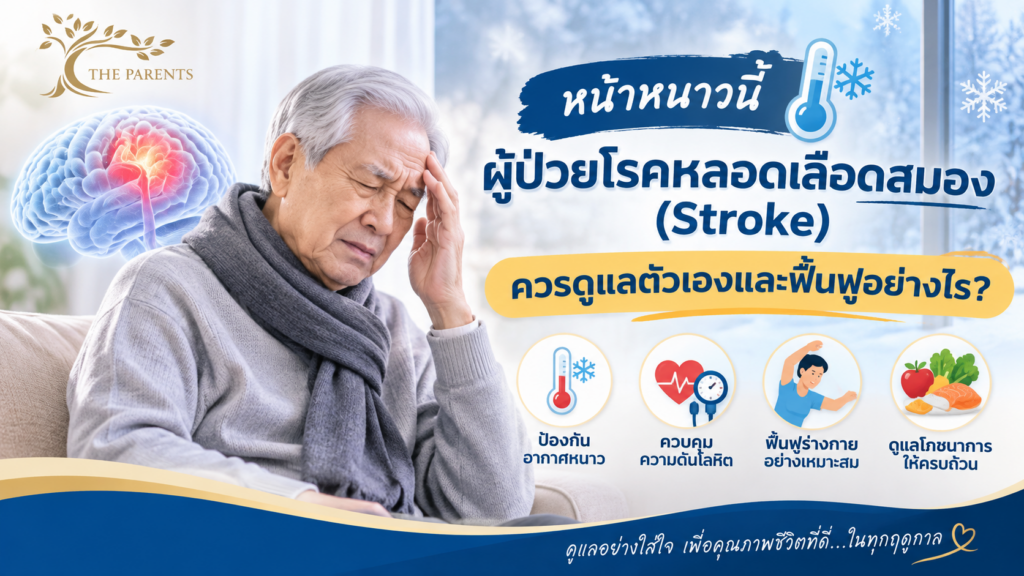
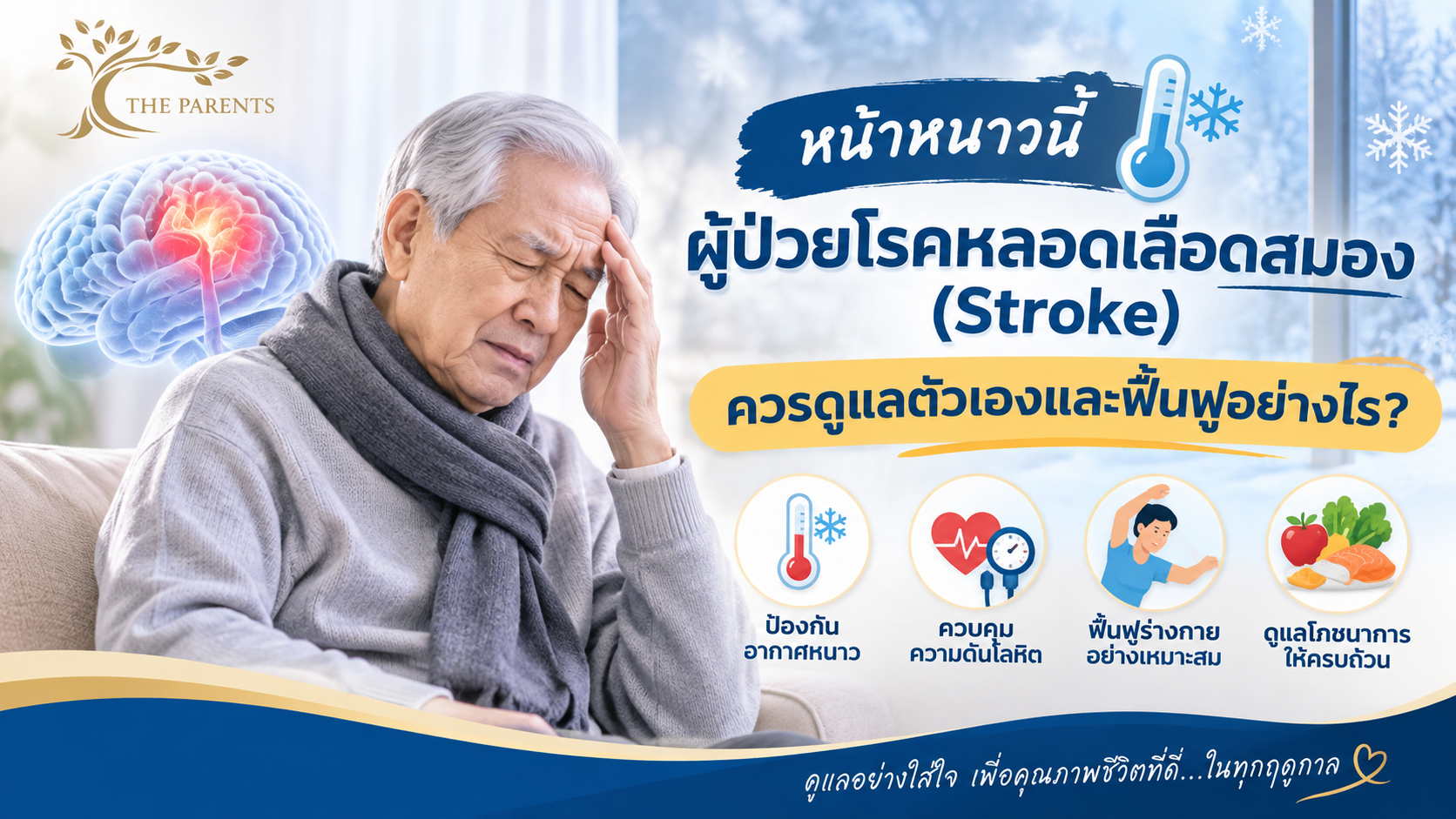
As the winter season approaches, colder temperatures may affect the health and well-being of older adults and people living with chronic conditions. For stroke survivors, changes in temperature can make daily activities more challenging and may require additional attention to health management, mobility, and rehabilitation.
Although Thailand does not experience prolonged periods of extreme cold, temperatures can drop significantly during the early morning and nighttime hours. During these periods, stroke survivors may experience increased muscle stiffness, reduced mobility, and changes in blood pressure. Those who already have underlying conditions such as hypertension, diabetes, or heart disease should be particularly mindful of their health.
For individuals recovering from a stroke, winter care involves more than simply keeping warm. It also includes managing chronic conditions, taking prescribed medications consistently, maintaining a suitable rehabilitation routine, preventing falls, and creating a safe environment at home.
The Parents Wellness and Rehabilitation invites patients, families, and caregivers to explore essential winter care practices that can help stroke survivors maintain their health, reduce the risk of complications, and continue working toward a better quality of life.
How Does Cold Weather Affect Stroke Survivors?
A stroke occurs when the blood supply to part of the brain is interrupted or when a blood vessel in the brain ruptures. This may result in damage to brain tissue and affect important functions such as movement, speech, swallowing, and balance.
There are two main types of stroke:
- Ischemic Stroke: Occurs when a blood vessel supplying the brain becomes blocked or narrowed.
- Hemorrhagic Stroke: Occurs when a blood vessel in the brain ruptures and causes bleeding.
During cold weather, the body naturally responds to lower temperatures by narrowing blood vessels near the skin to reduce heat loss. This process, known as vasoconstriction, may cause blood pressure to rise in some individuals.
For people with hypertension or existing vascular conditions, these changes deserve attention because high blood pressure is one of the major risk factors for stroke.
Cold weather may also affect stroke survivors in several other ways:
1. Increased Muscle Stiffness
Some stroke survivors experience muscle spasticity, a condition in which muscles become stiff or tight. Colder temperatures may make some individuals feel more uncomfortable or notice increased stiffness.
2. Reduced Mobility
Stroke survivors who have weakness on one side of the body may find it more difficult to move comfortably during cold weather. Reduced flexibility and slower movement may affect their ability to perform daily activities.
3. Increased Risk of Falls
Thick clothing, slippery floors, poor lighting, and reduced balance may increase the risk of falls, particularly among individuals who already have difficulty walking.
4. Reduced Physical Activity
Some patients may be less willing to move or exercise when the weather is cold. A prolonged reduction in physical activity may contribute to muscle weakness and reduced functional ability.
5. Greater Vulnerability to Infections
Older adults and people with underlying health conditions may be more vulnerable to respiratory infections. Illness can affect overall health and may interrupt rehabilitation progress.
Cold weather does not mean that every stroke survivor will experience another stroke. However, maintaining good health, managing risk factors, and following medical advice are essential throughout the winter season.
7 Essential Winter Care Tips for Stroke Survivors
1. Keep the Body Warm and Comfortable
Maintaining a comfortable body temperature is important, especially for stroke survivors who have reduced sensation or weakness in their arms and legs.
Some patients may not be able to recognize cold temperatures as effectively as before, which can increase the risk of discomfort or injury.
To help maintain body warmth:
- Wear comfortable clothing that provides adequate warmth.
- Choose clothing that is easy to put on and remove.
- Wear socks to keep the feet warm, ensuring they are not too tight.
- Avoid sitting directly in cold drafts.
- Keep indoor temperatures comfortable.
- Wear an appropriate jacket or outer layer when going outdoors.
For patients with numbness or reduced sensation, extra caution should be taken when using hot water bottles, heating pads, or other heating devices. Direct contact with excessive heat may cause burns without the patient noticing.
2. Monitor Blood Pressure and Manage Chronic Conditions
High blood pressure is one of the most important risk factors for stroke. Proper blood pressure management can help reduce the risk of another stroke and support long-term health.
During colder weather, stroke survivors should continue to monitor their blood pressure according to their healthcare provider’s recommendations.
Important practices include:
- Check blood pressure regularly as advised by a healthcare professional.
- Keep a record of blood pressure readings.
- Take prescribed medications at the correct times.
- Reduce excessive sodium intake.
- Manage blood sugar and cholesterol levels.
- Attend scheduled medical appointments.
If blood pressure readings remain higher than the target recommended by a healthcare professional, patients should seek medical advice.
Do not stop, increase, or reduce medication without consulting a doctor.
3. Eat Nutritious Meals and Stay Hydrated
Proper nutrition supports the body’s recovery and provides the energy needed for rehabilitation.
Stroke survivors should aim for a balanced diet that includes:
- A variety of vegetables and fruits
- Lean protein, such as fish, eggs, and lean meat
- Beans and other suitable plant-based protein sources
- Whole grains
- Healthy fats in appropriate amounts
- Foods that are low in excessive sodium and added sugar
During winter, some older adults may feel less thirsty and drink less water than usual. Inadequate fluid intake may affect overall health and contribute to dehydration.
Encourage regular fluid intake throughout the day, following the advice of a healthcare professional.
Patients with heart or kidney conditions may need to follow specific fluid restrictions.
Important: Stroke survivors with swallowing difficulties should not drink or eat without following their swallowing assessment and care plan. Some patients may require modified food textures or thickened liquids to reduce the risk of aspiration.
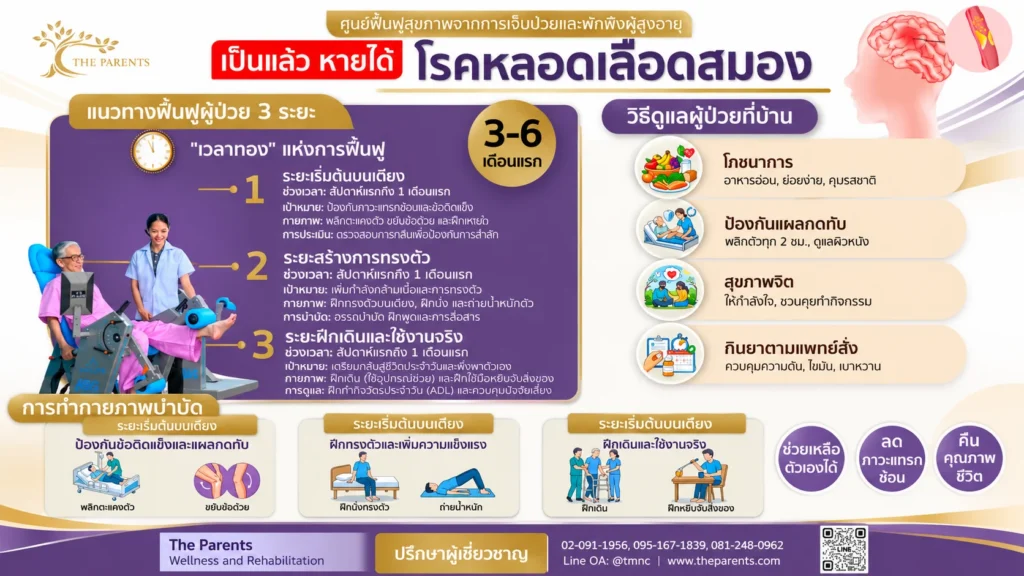
4. Continue Rehabilitation Even During Cold Weather
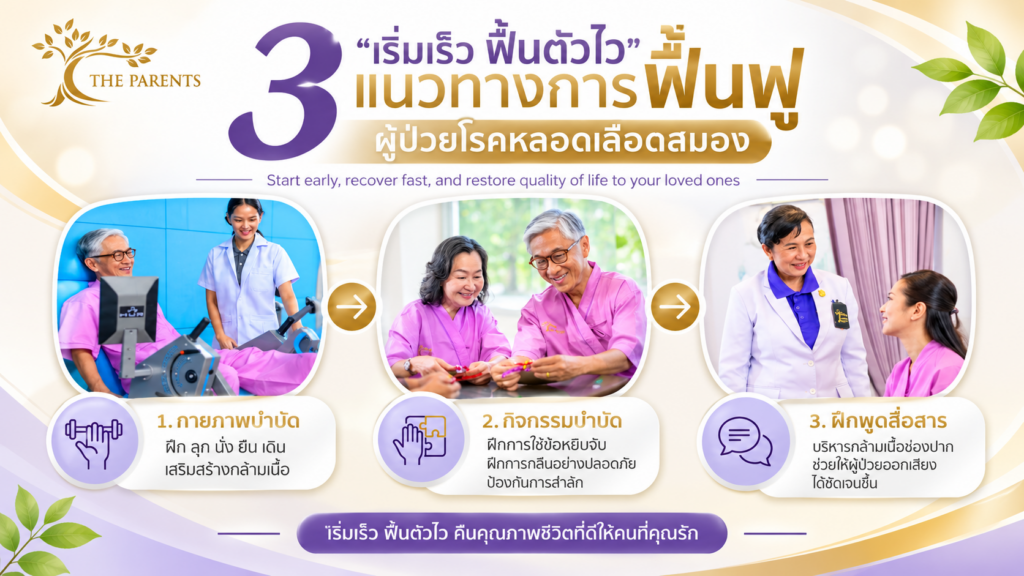
Rehabilitation is an essential part of recovery after a stroke. Consistent, appropriate rehabilitation can help patients improve their movement, balance, coordination, and ability to perform daily activities.
During winter, patients should avoid stopping rehabilitation without a medical reason.
A suitable rehabilitation program may include:
Physical Therapy
Physical therapy focuses on improving movement, strength, flexibility, and functional mobility. Exercises may include practicing sitting, standing, walking, and moving the affected limbs.
Balance Training
Balance exercises help improve stability and reduce the risk of falls. Training should be performed in a safe environment with appropriate supervision.
Occupational Therapy
Occupational therapy helps patients regain the ability to perform daily activities such as dressing, eating, grooming, and using the bathroom.
Speech and Swallowing Therapy
Patients who experience difficulty speaking, communicating, or swallowing may benefit from therapy provided by qualified professionals.
Before exercising in cold weather, patients should warm up gently and avoid sudden, strenuous activity, especially early in the morning when temperatures may be lower.
The rehabilitation program should always be adjusted according to the patient’s condition and the recommendations of their rehabilitation team.
5. Prevent Falls and Create a Safer Home Environment
Falls can be particularly dangerous for stroke survivors because weakness, impaired balance, and reduced sensation may affect their ability to move safely.
During winter, thick clothing and damp floors may create additional hazards.
Families and caregivers can help reduce the risk of falls by:
- Keeping walking paths clear of obstacles.
- Installing grab bars in bathrooms and other necessary areas.
- Using non-slip footwear.
- Removing loose rugs or securing them properly.
- Ensuring adequate lighting throughout the home.
- Keeping frequently used items within easy reach.
- Assisting patients when they get out of bed or walk in unfamiliar areas.
Patients who cannot walk safely should use appropriate walking aids as recommended by their physical therapist.
Avoid allowing patients with significant balance difficulties to walk alone without proper assessment and supervision.
6. Care for Muscles and Joints
Some stroke survivors experience muscle stiffness, spasticity, or joint stiffness after a stroke. These conditions may affect comfort and mobility.
Proper positioning and regular movement can help maintain joint flexibility and reduce complications associated with prolonged inactivity.
Helpful practices include:
- Changing position regularly according to the patient’s care plan.
- Performing prescribed range-of-motion exercises.
- Avoiding forceful pulling or twisting of the affected limbs.
- Maintaining appropriate arm and leg positioning while sitting or lying down.
- Using warm compresses only when recommended and applied safely.
Caregivers should avoid pulling the affected arm when helping a patient stand or move, as this may injure the shoulder.
If muscle stiffness becomes significantly worse, or if the patient develops new pain or reduced joint movement, consult a healthcare professional.
7. Get Enough Rest and Prevent Infections
Adequate rest allows the body to recover and supports overall well-being.
Stroke survivors should maintain a regular sleep schedule and avoid activities that cause excessive fatigue.
Winter care should also include infection prevention, particularly for older adults and patients with underlying medical conditions.
Recommended practices include:
- Washing hands regularly.
- Avoiding close contact with people who have respiratory symptoms.
- Maintaining good oral hygiene.
- Receiving recommended vaccinations after consulting a healthcare professional.
- Monitoring for fever, cough, breathing difficulties, or reduced appetite.
For patients who are bedridden, caregivers should follow the recommended repositioning schedule and regularly inspect the skin to help prevent pressure injuries.
A Daily Winter Care Routine for Stroke Survivors
A consistent daily routine can help patients and caregivers manage rehabilitation and health monitoring more effectively.
| Time of Day | Recommended Activities |
|---|---|
| Morning | Dress warmly, check blood pressure if scheduled, and take prescribed medication |
| After Breakfast | Perform gentle rehabilitation exercises according to the care plan |
| Late Morning | Practice mobility or daily activities with appropriate assistance |
| Afternoon | Continue rehabilitation activities and rest when needed |
| Evening | Perform light activities indoors and prepare suitable clothing for colder temperatures |
| Before Bed | Take prescribed medication and ensure the bedroom and walking paths are safe |
This routine is a general guide and should be adjusted according to each patient’s condition, abilities, and medical recommendations.
How Can Caregivers Support Stroke Survivors During Winter?
Caregivers play an important role in helping stroke survivors remain safe and continue their recovery.
Monitor Changes in Health
Observe the patient’s blood pressure, mobility, speech, appetite, and level of alertness. Any unusual changes should be discussed with a healthcare professional.
Encourage Independence
Provide assistance when necessary, but allow patients to perform activities they can safely manage on their own.
Encouraging independence can help improve confidence and support rehabilitation.
Provide Emotional Support
Recovery after a stroke can be challenging and may take time. Progress may vary from day to day.
Caregivers should offer encouragement and recognize even small improvements. A supportive environment can help patients remain motivated and continue their rehabilitation.
Warning Signs: When Should You Seek Emergency Medical Help?
Even after a stroke survivor has stabilized, it is important to remain alert for signs of another stroke.
If any of the following symptoms occur suddenly, call Thailand’s emergency medical service at 1669 immediately.
- Sudden weakness or numbness, especially on one side of the body
- Facial drooping or an uneven smile
- Sudden difficulty speaking or understanding speech
- Sudden vision loss or blurred vision
- Sudden difficulty walking, dizziness, or loss of balance
- A sudden, severe headache with no known cause
Remember the FAST stroke recognition method:
F – Face: Does one side of the face droop?
A – Arm: Is one arm weak or unable to lift?
S – Speech: Is speech unclear or difficult to understand?
T – Time: If any of these symptoms appear, call 1669 immediately.
Do not wait to see whether the symptoms improve. Prompt medical treatment is essential because it may help reduce brain damage and improve the chances of recovery.
Continue Rehabilitation for a Better Quality of Life
Winter care for stroke survivors requires cooperation between patients, families, caregivers, and healthcare professionals.
Keeping the body warm, monitoring blood pressure, maintaining proper nutrition, taking medication as prescribed, preventing falls, and continuing rehabilitation are all important steps toward better health.
Although recovery after a stroke can take time, every rehabilitation session and every improvement can make a meaningful difference in a patient’s daily life.
At The Parents Wellness and Rehabilitation, we believe that quality care goes beyond treating illness. It is about supporting patients and their families throughout the recovery journey, helping them regain confidence, maintain independence, and enjoy a better quality of life in every season.
Because caring for stroke survivors means helping them move forward, one step at a time.
Inquire for information and consult regarding maintenance and care.
Tel. 02-091-1956, 095-167-1839, 081-248-0962
Line OA: @tmnc | https://lin.ee/ifpiZEf
Website: https://theparents.com
Conveniently located with easy access to several roads, including Ratchaphatthana Road, via Ramkhamhaeng Road, orfollow GPS GOOGLE MAP : https://maps.app.goo.gl/amz3XooojtQPy9Pn7