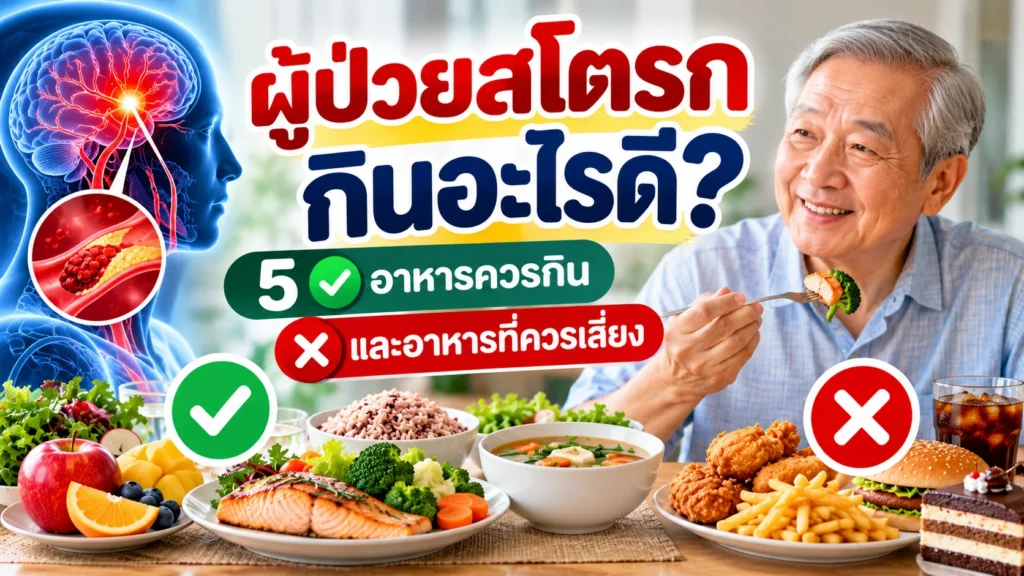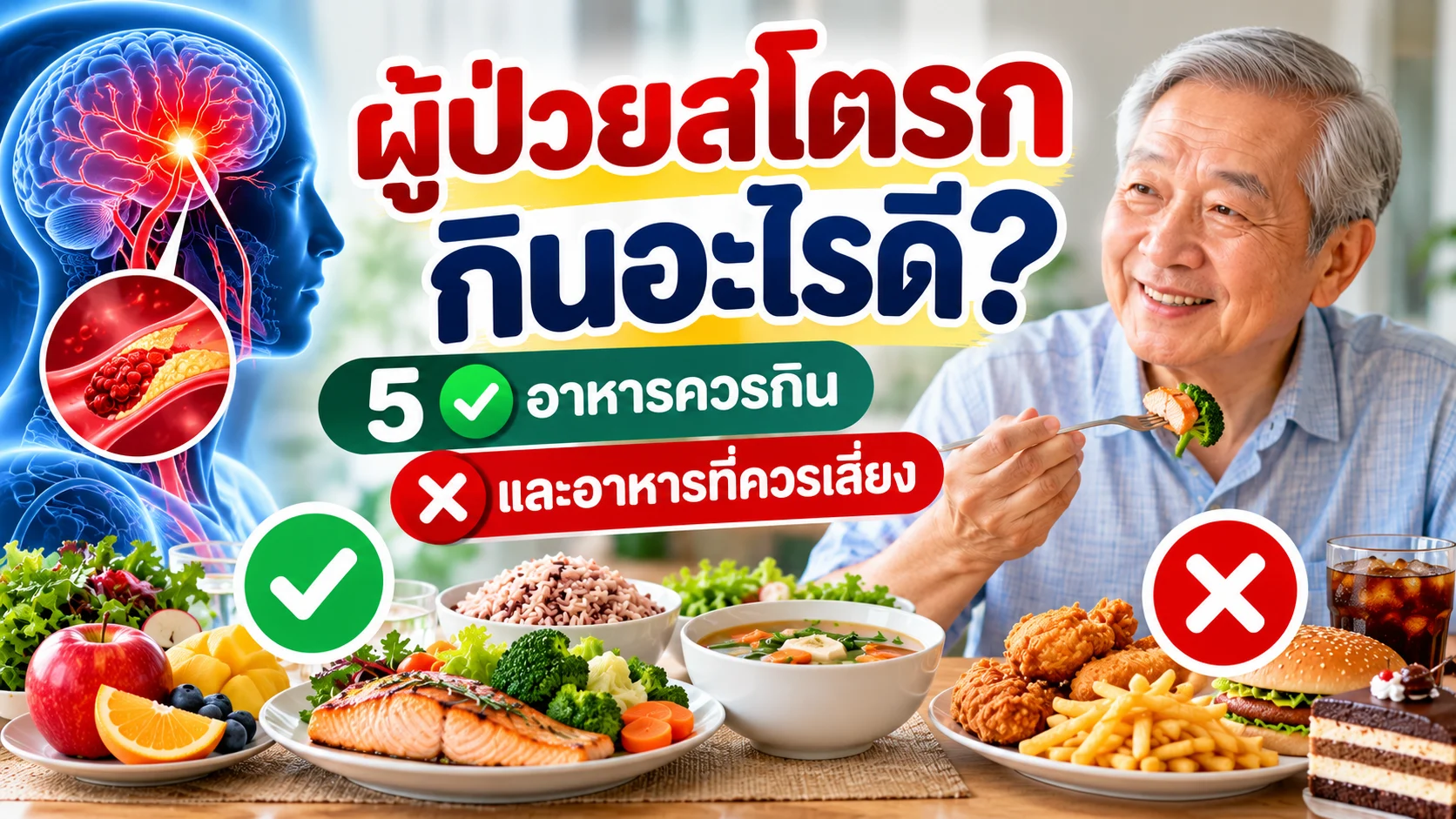
What Should Stroke Patients Eat? 5 Foods to Eat and Foods to Avoid
Learn about the best foods for stroke patients, including foods to eat and avoid, sample daily meals, and important swallowing precautions to support recovery and reduce the risk of recurrent stroke.
Why Is Nutrition Important for Stroke Recovery?
Some stroke patients may experience symptoms such as weakness in the arms or legs, difficulty chewing or swallowing, and underlying medical conditions such as high blood pressure, diabetes, or high cholesterol.
Proper nutrition plays an important role in several aspects of recovery, including:
- Helping control blood pressure, blood sugar, and cholesterol levels.
- Providing sufficient protein and energy to support recovery.
- Helping preserve muscle mass alongside physical rehabilitation.
- Reducing the risk of malnutrition.
- Helping manage risk factors associated with recurrent stroke.
However, nutrition alone cannot repair damaged brain tissue. It is an essential part of a comprehensive recovery plan that also includes medical treatment, medication, and physical rehabilitation.
5 Recommended Food Groups for Stroke Patients
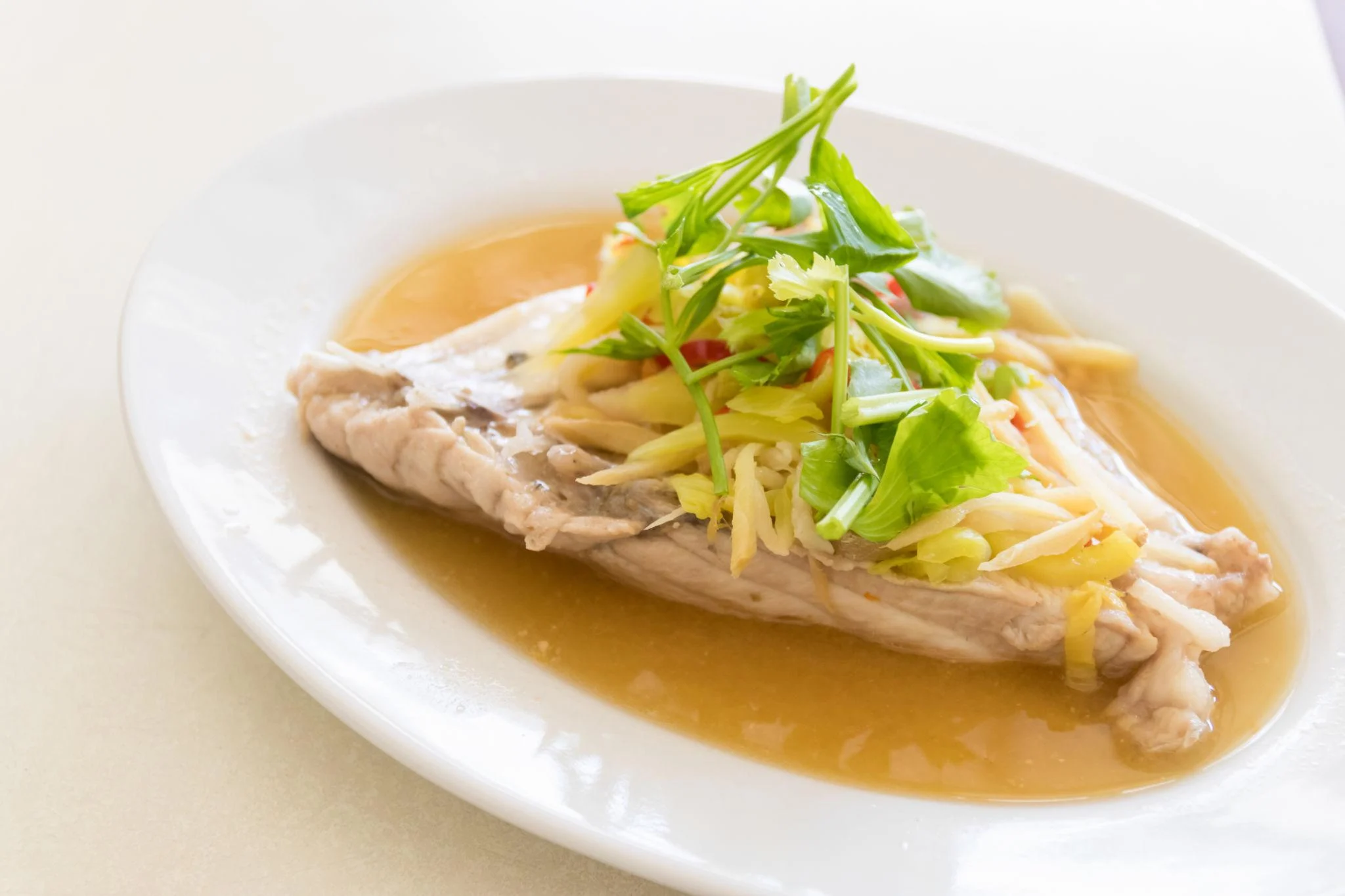
1. Fish and Lean Protein
Examples include steamed fish, baked fish, eggs, tofu, and skinless chicken. These foods provide protein to help maintain and rebuild muscle mass. Choose cooking methods such as boiling, steaming, or baking instead of deep-frying.
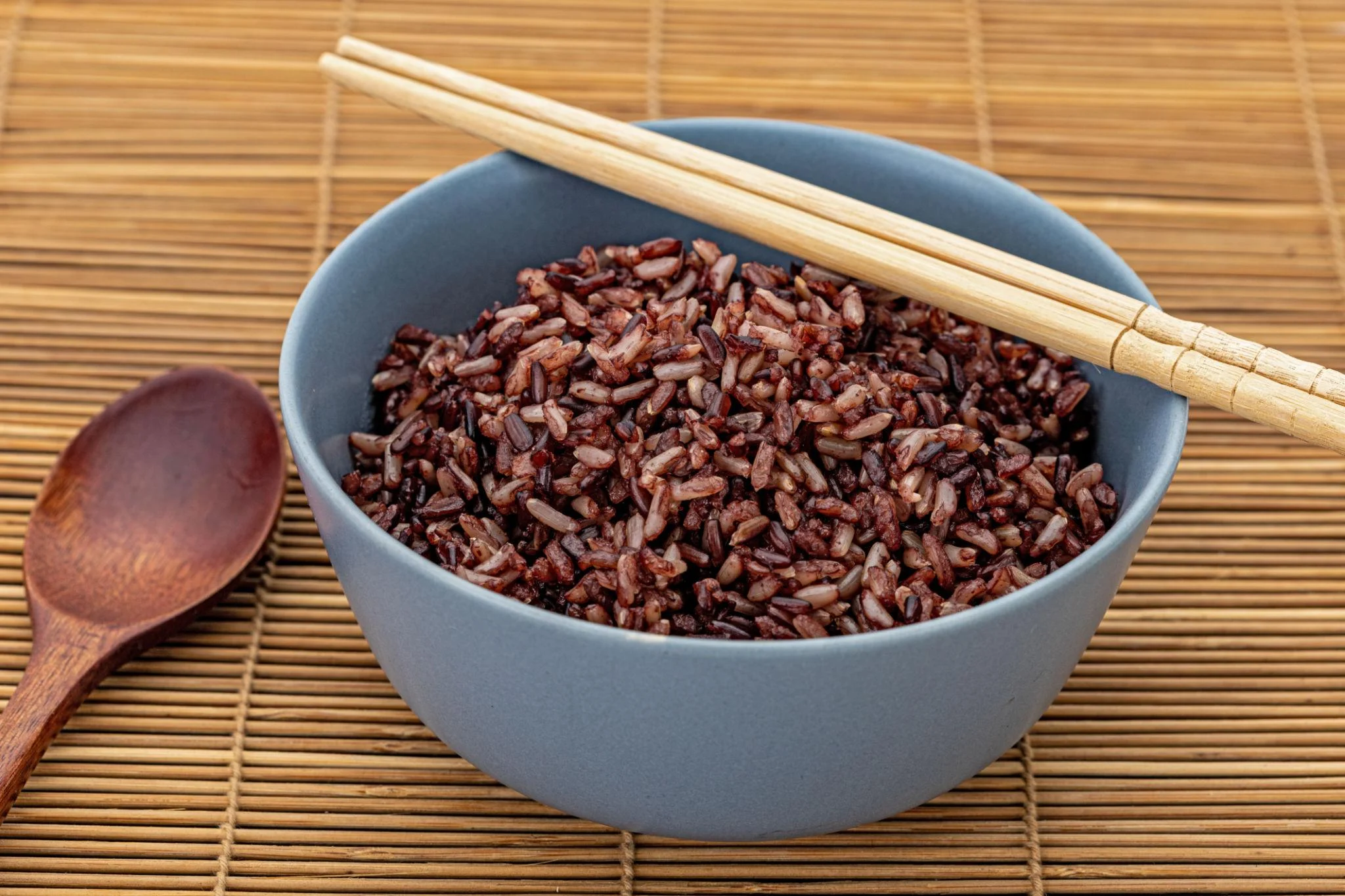
2. Brown Rice and Whole Grains
Examples include brown rice, riceberry rice, and oatmeal. These foods provide dietary fiber that supports cardiovascular health. Portion sizes should be adjusted to individual needs, especially for patients with diabetes.
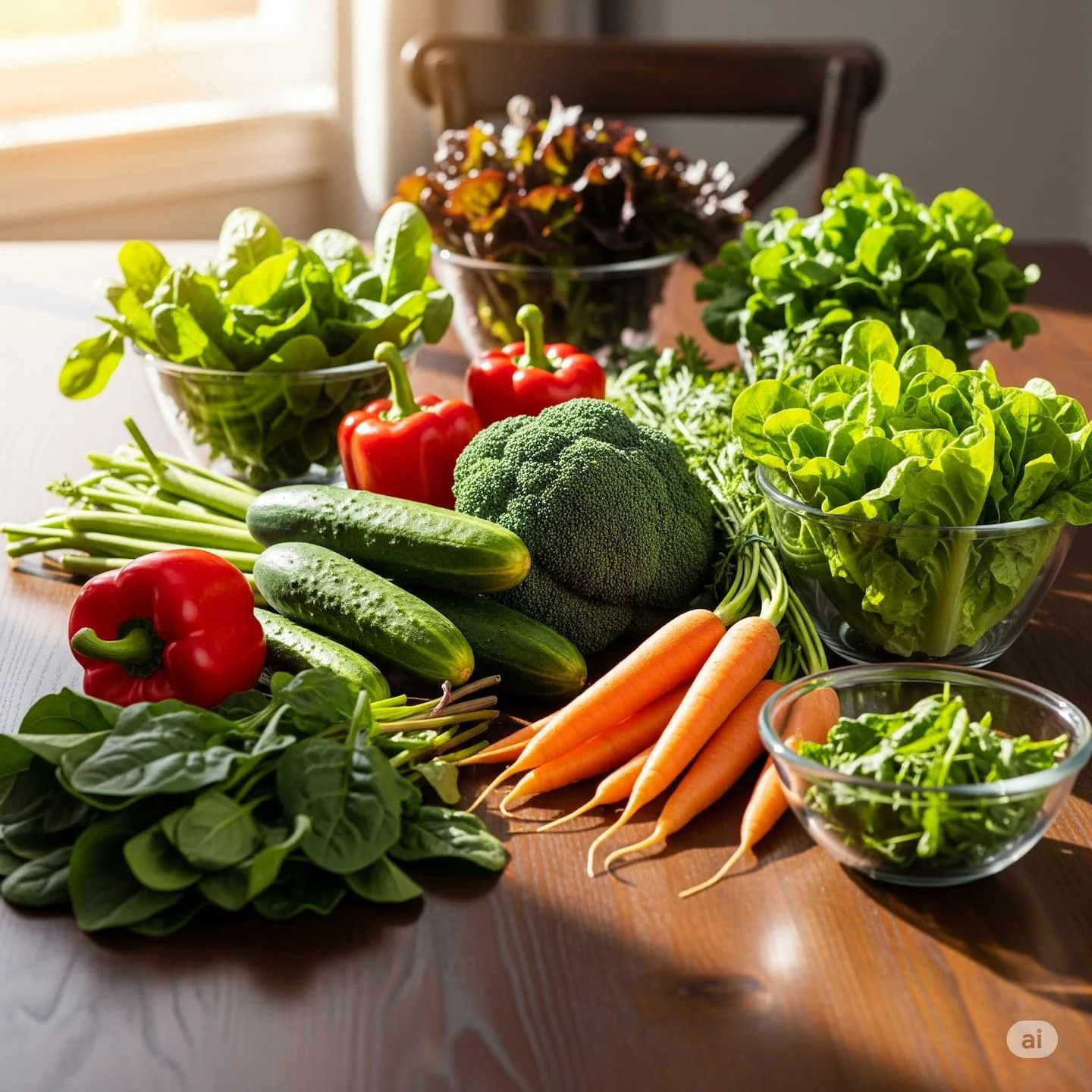
3. A Variety of Colorful Vegetables
Examples include leafy green vegetables, carrots, pumpkin, and broccoli. These vegetables provide dietary fiber, vitamins, and minerals. They should be prepared with a texture appropriate for the patient’s chewing and swallowing abilities.
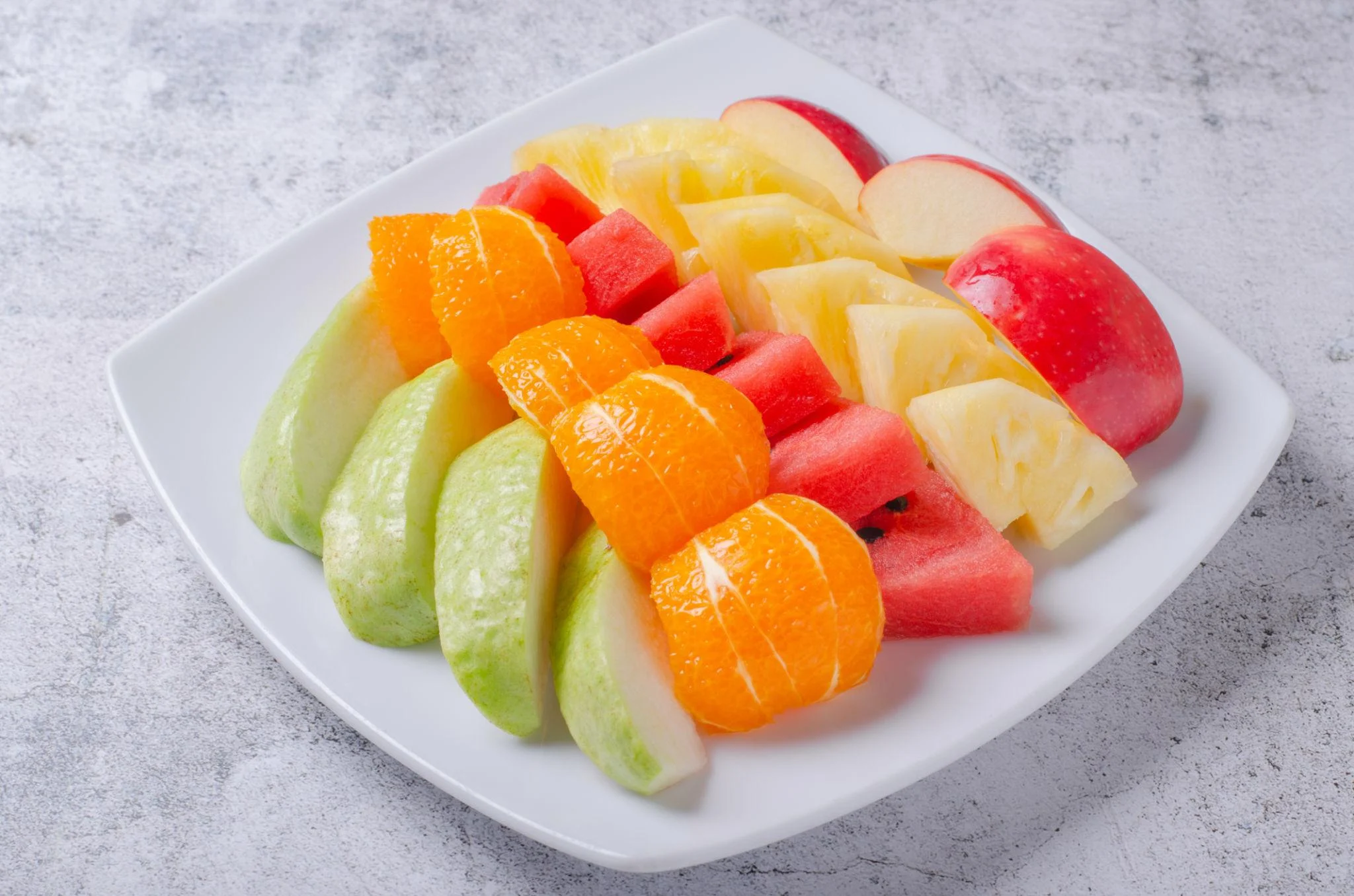
4. Fresh Fruit Instead of Fruit Juice
Examples include guava, apples, oranges, and papaya. Fresh fruits provide vitamins and dietary fiber. They should be consumed in appropriate portions, while candied fruits and fruits preserved in syrup should be limited.
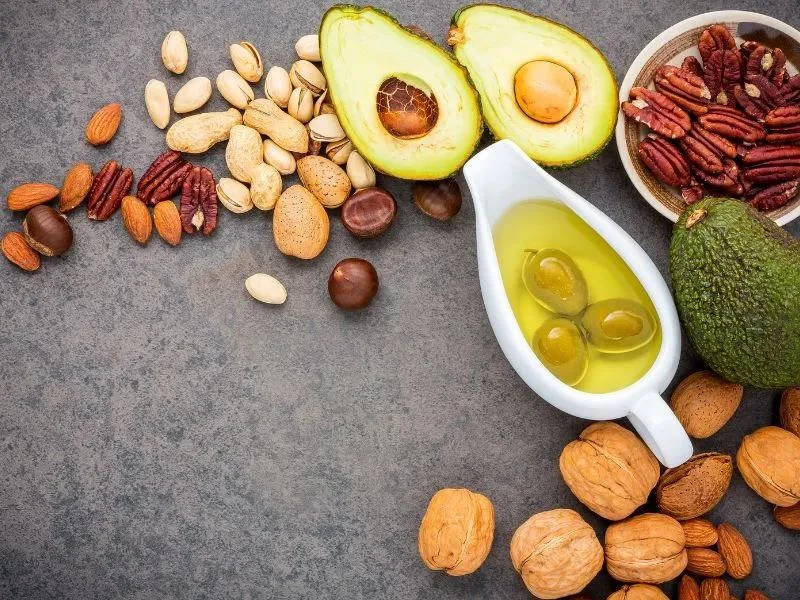
5. Healthy Fats in Moderation
Examples include olive oil, rice bran oil, avocados, and unsalted nuts. These foods can help replace saturated fats in the diet. However, whole nuts should be avoided by patients who have difficulty chewing or swallowing.
5 Types of Food Stroke Patients Should Avoid or Limit
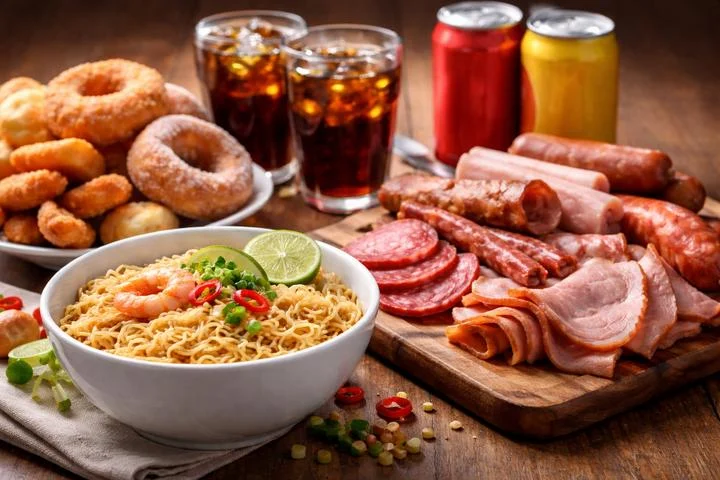
1. Salty Foods and Foods High in Sodium
Examples include instant noodles, processed foods, sausages, pickled foods, and dishes containing excessive amounts of fish sauce, soy sauce, or seasoning powder.
Excessive sodium intake can make blood pressure more difficult to control, potentially increasing the risk of another stroke.
2. Fried Foods and Foods High in Saturated Fat
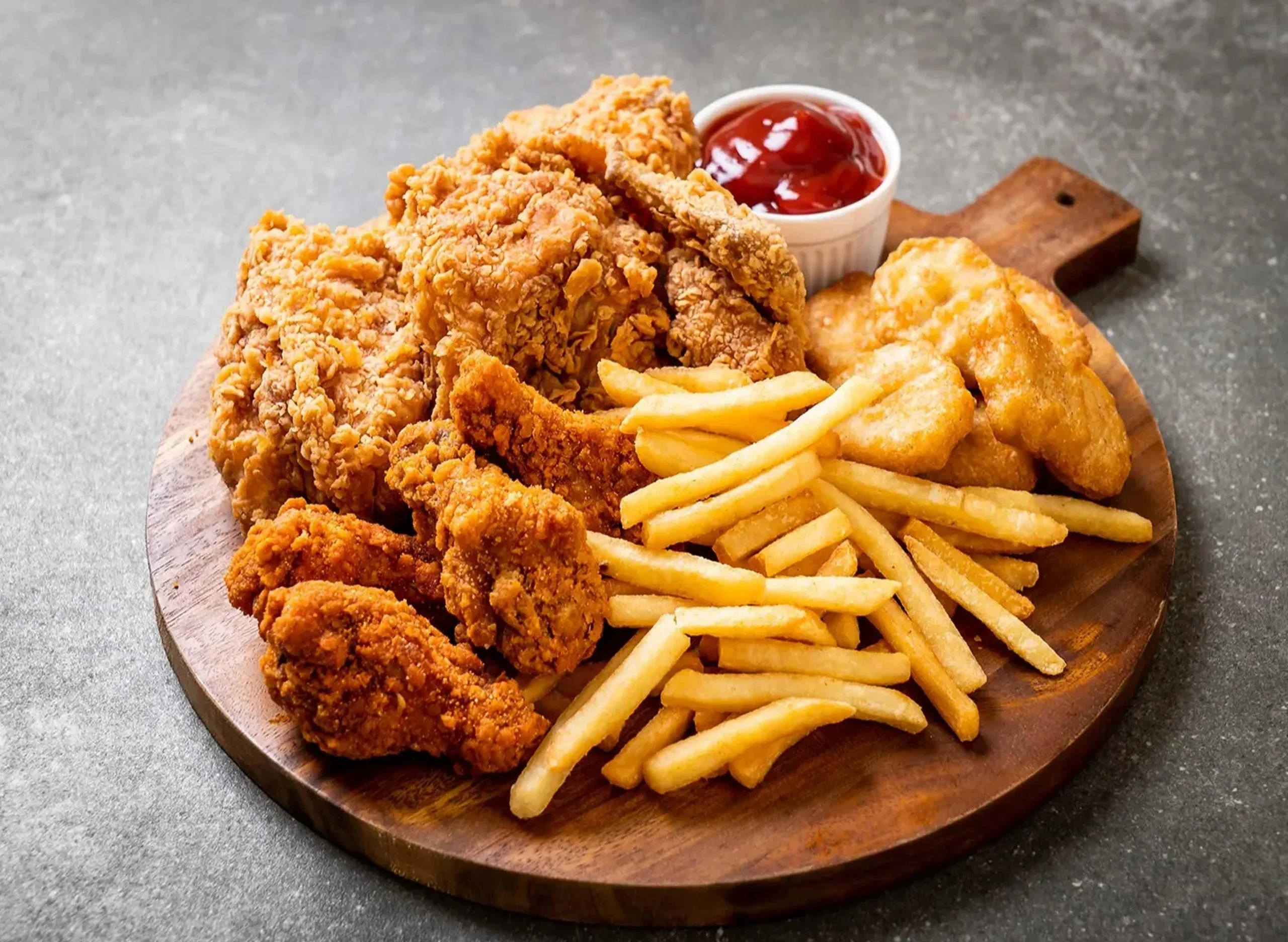
Examples include pork belly, chicken skin, fatty cuts of meat, and frequently consumed deep-fried foods.
Eating these foods too often may negatively affect cholesterol levels and cardiovascular health.
3. Sugary Drinks and High-Sugar Desserts
Examples include soft drinks, bubble milk tea, sweetened iced tea, and sugary desserts.
Excessive sugar intake can make blood sugar and weight management more difficult, particularly for patients who also have diabetes.

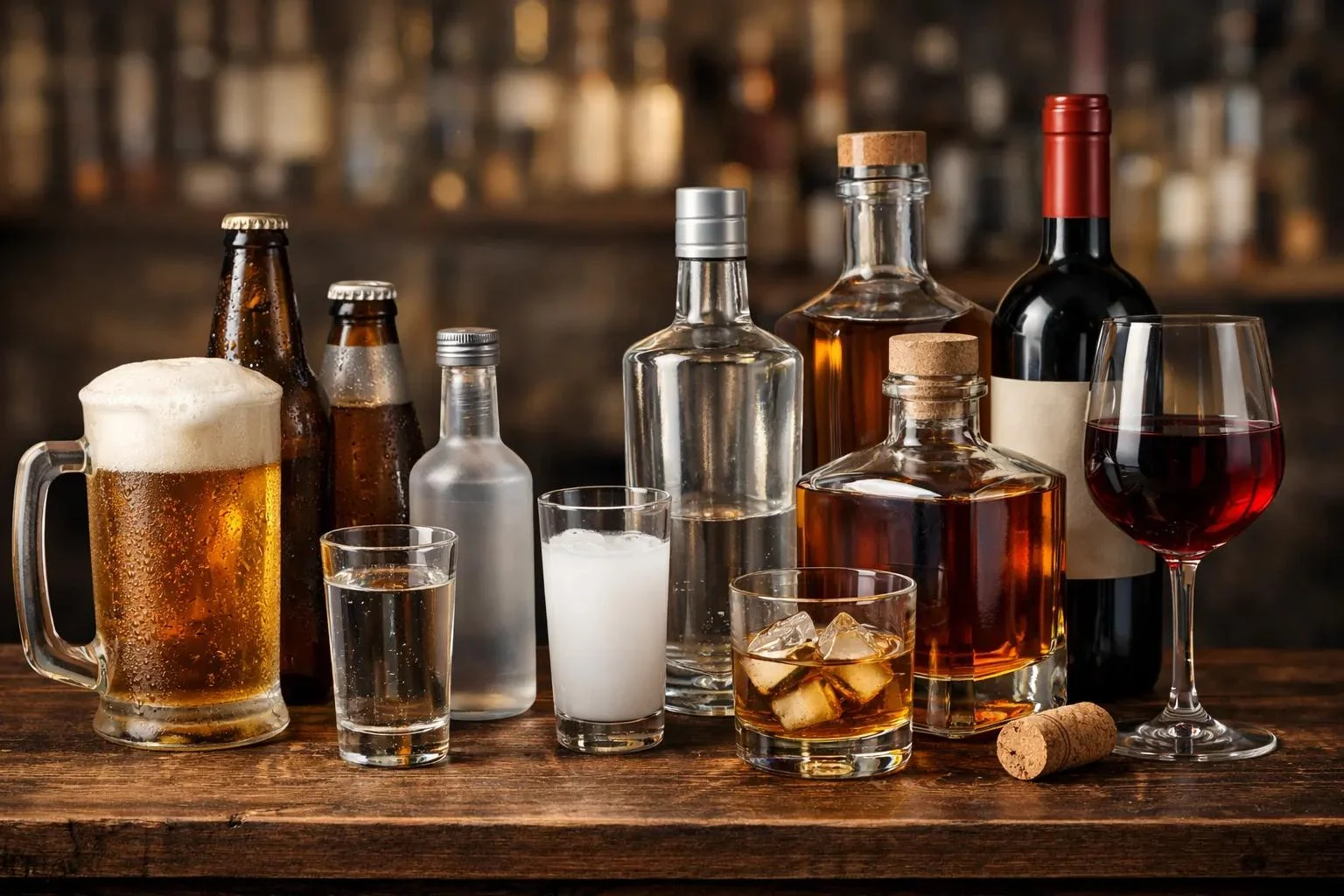
4. Alcoholic Beverages
Alcohol may contribute to high blood pressure, increase the risk of falls, and interact with certain medications.
Stroke patients should consult their doctor before consuming alcohol, especially those who have experienced a hemorrhagic stroke.
5. Hard, Chewy, or Crumbly Foods for Patients with Swallowing Difficulties
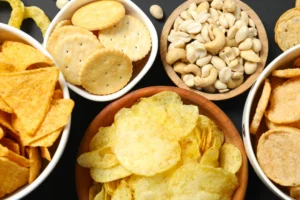
Examples include whole nuts, crunchy snacks, and foods with mixed textures.
These foods may increase the risk of choking or aspiration in some patients. A swallowing assessment should be conducted before selecting an appropriate diet for individuals with swallowing difficulties.
Sample One-Day Meal Plan for Stroke Patients
| Meal | Recommended Menu |
|---|---|
| Breakfast | Rice porridge with fish, lightly seasoned, served with cooked vegetables |
| Lunch | Brown rice, steamed fish, and clear soup with tofu and Chinese cabbage |
| Dinner | An appropriate portion of rice, boiled skinless chicken, and vegetables stir-fried with a small amount of oil |
| Snacks | Fresh fruit in appropriate portions or unsweetened plain yogurt |
This sample meal plan is suitable only for patients who can chew and swallow safely. Food portions and textures should be adjusted according to underlying medical conditions, nutritional status, and swallowing assessment results.
An Important Concern Families Often Overlook: Swallowing Difficulties After Stroke
After a stroke, some patients develop dysphagia, or difficulty swallowing. This condition can cause food or liquids to enter the airway, increasing the risk of aspiration pneumonia.
Warning signs include:
- Coughing or choking while eating or drinking.
- Changes in voice quality after swallowing.
- Food remaining in the mouth after eating.
- Reduced food intake or difficulty finishing meals.
However, some patients may experience silent aspiration without coughing or showing obvious symptoms.
Patients should undergo swallowing screening before starting oral food or fluid intake after a stroke. If swallowing difficulties are identified, the healthcare team should assess the patient’s condition and recommend appropriate food textures and liquid thickness.
Do not independently switch to puréed foods or thickened liquids without professional guidance.
Stroke Rehabilitation Involves More Than Nutrition
Stroke rehabilitation should be continuous and address multiple aspects of recovery, including walking practice, muscle strengthening, daily living activities, communication, and emotional well-being.
Combining appropriate nutrition with rehabilitation is an important part of helping patients maintain the strength and energy needed for therapy while gradually improving their ability to perform daily activities according to their individual potential.
The Parents Wellness and Rehabilitation: Integrating Nutrition with Rehabilitation
At The Parents Wellness and Rehabilitation, we emphasize a holistic approach to patient care, focusing on physical recovery, nutrition, and quality of life.
Our center has a central kitchen and dietitians to help plan and prepare meals suited to each resident’s individual needs. Meal planning takes into consideration underlying medical conditions, nutritional requirements, and specific health limitations.
For stroke patients, nutritional care can be coordinated with an individualized rehabilitation plan and the care team to help ensure appropriate nutritional support and improve overall quality of life.
Because recovery is not simply about learning to walk again. It is also about helping patients return to daily activities safely and achieve the best possible quality of life.
สอบถาม / เข้าเยี่ยมชมสถานที่ / ปรึกษาเพื่อเข้าพักฟื้นฟู
Tel. 02-091-1956, 095-167-1839, 081-248-0962
Line OA: @tmnc | https://lin.ee/ifpiZEf
Website: https://theparents.com
การเดินทางสะดวกเชื่อมต่อถนนได้หลายเส้นทาง ถนนราษฎร์พัฒนา มาทางเส้นรามคำแหง หรือ
ตาม GPS GOOGLE MAP : https://maps.app.goo.gl/amz3XooojtQPy9Pn7
– – – – – – – – – – – – – – – – – – – – – – – – – – – –