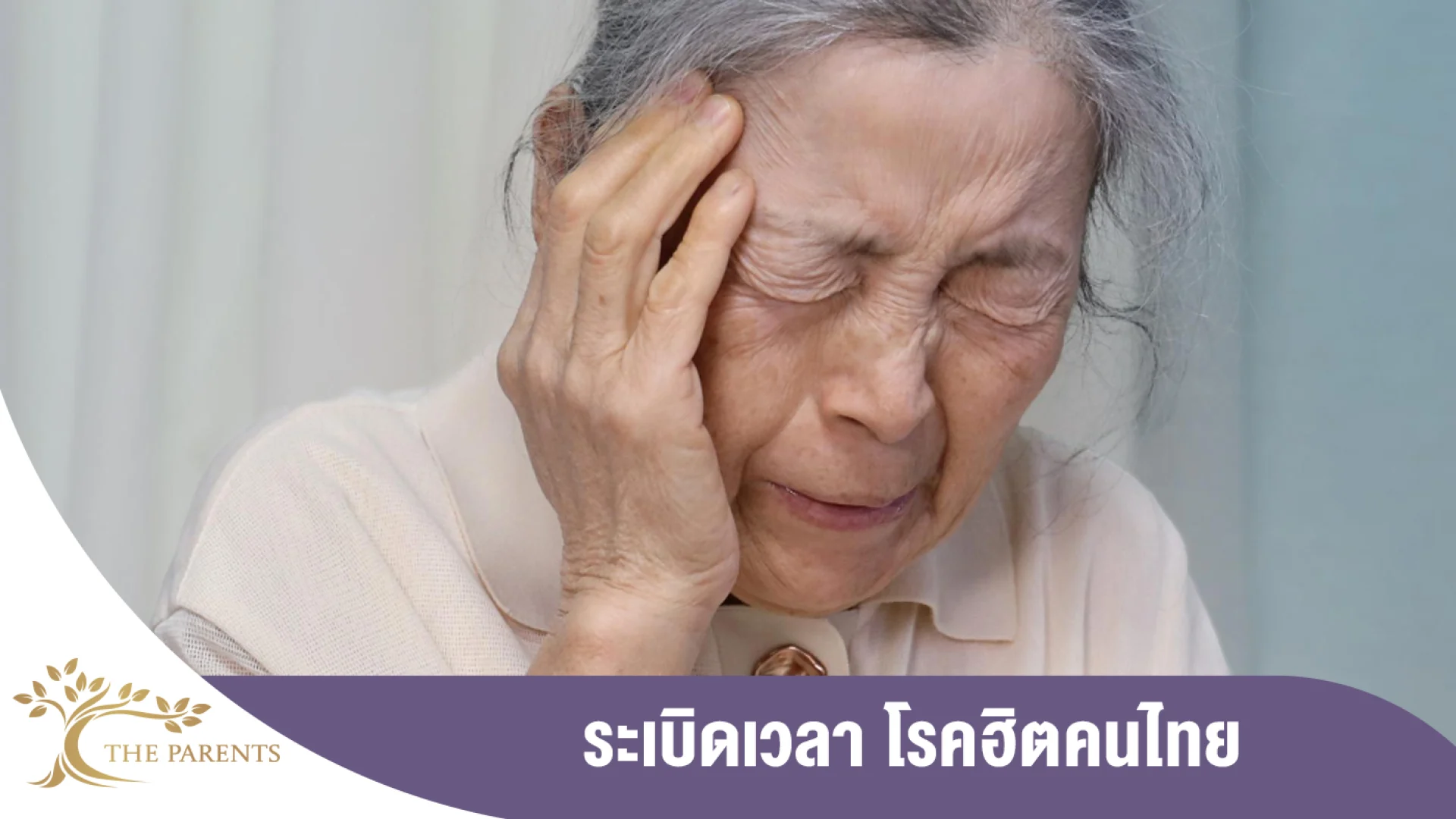
As people grow older, the body naturally undergoes many changes. The efficiency of the circulatory system, metabolism, and organ function gradually declines, making older adults more vulnerable to chronic diseases. Many symptoms that appear in later life such as fatigue, dizziness, or forgetfulness are often dismissed as a normal part of aging. However, in many cases, these symptoms may actually be early warning signs of underlying health conditions. Recognizing these signs early is crucial because it allows for timely medical intervention, better disease management, and a reduced risk of severe complications.
In addition to metabolic and cardiovascular diseases, osteoarthritis of the knee is one of the most common musculoskeletal problems among older adults. This condition develops when the cartilage that cushions the joints gradually wears down over time. As the protective cartilage deteriorates, the bones begin to rub against each other, causing pain, stiffness, and reduced mobility. Risk factors include aging, excess body weight, previous joint injuries, and repetitive stress on the joints. Individuals with knee osteoarthritis often experience joint pain during movement, stiffness after periods of rest especially in the morning difficulty climbing stairs, and a grinding or cracking sensation in the joint. In more advanced cases, swelling and decreased joint function can significantly affect daily activities. Maintaining a healthy weight, strengthening the muscles around the knee, and engaging in appropriate physical activity can help slow the progression of the disease and improve mobility.
In conclusion, older adults face a higher risk of several chronic diseases, many of which begin with subtle symptoms that can easily be overlooked. Paying close attention to changes in physical and cognitive health is essential for early detection. Regular medical checkups, a balanced diet, consistent physical activity, sufficient rest, and proper management of existing health conditions all play important roles in maintaining health in later life. When unusual or persistent symptoms appear, seeking medical advice promptly can make a significant difference in preventing complications and preserving quality of life for older adults.